THE FUTURE IS UNCERTAIN.
YOUR NEXT MOVE DOESN’T HAVE TO BE.
Prepare Today
Face Tomorrow...Ready
From blackouts and natural disasters to disruptions in an AI-driven world, start taking practical steps to protect your household. Get clear guides, essential checklists, and smart gear recommendations to build your plan before you need it.
Start in five minutes
Plan the basics first
Prepare for
What are you preparing for?
Pick a scenario to jump straight to a focused plan.
Browse by topic
The full preparedness map
Fundamentals
Household needs, risk prioritization, budgets, and gradual preparation.
Explore →Water
Storage, containers, rotation, treatment concepts, and filter limitations.
Explore →Food
Ordinary pantry planning, dietary needs, rotation, and food safety.
Explore →Medical Readiness
First-aid kits, training, sanitation, and medication continuity with clinicians.
Explore →Power & Light
Batteries, portable stations, solar, generators, lighting, and CO safety.
Explore →Communication
Weather alerts, radios, satellite messaging, and family communication plans.
Explore →Kits & Bags
Bug-out, get-home, everyday carry, vehicle, family, pet, and apartment kits.
Explore →Home Readiness
Fire safety, leak detection, flood mitigation, document protection, and renter needs.
Explore →Outdoor Skills
Weather awareness, shelter, orientation, signaling, and clothing layers.
Explore →Self-Reliance
Gardening, seeds, preservation, hand tools, repairs, and off-grid fundamentals.
Explore →Featured guides
Start reading
New to Prepping? Build a Useful Plan Before Buying Gear
Preparedness is a plan, not a shopping spree. Here's how to start with what matters.
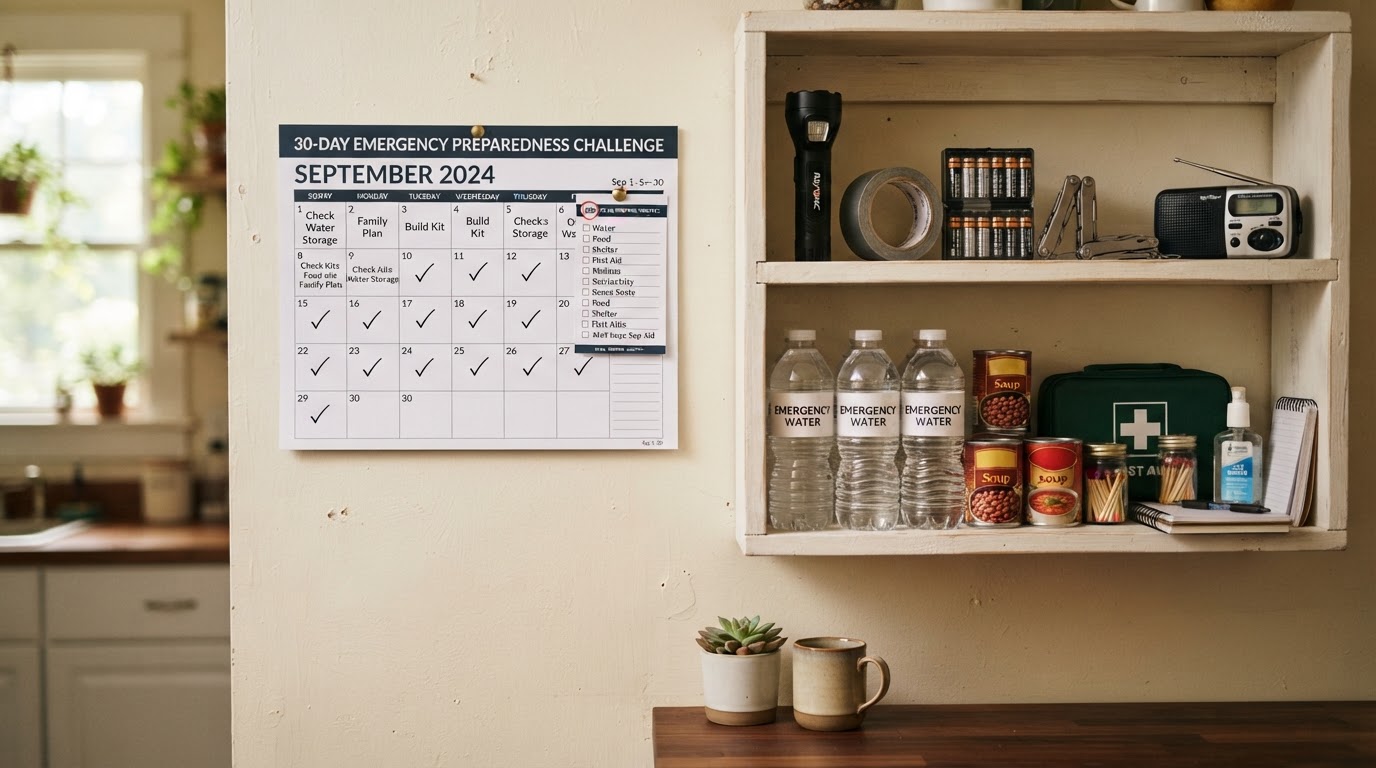
A 30-Day Preparedness Plan You Can Actually Finish
One small, achievable task a day for a month — no panic buying required.
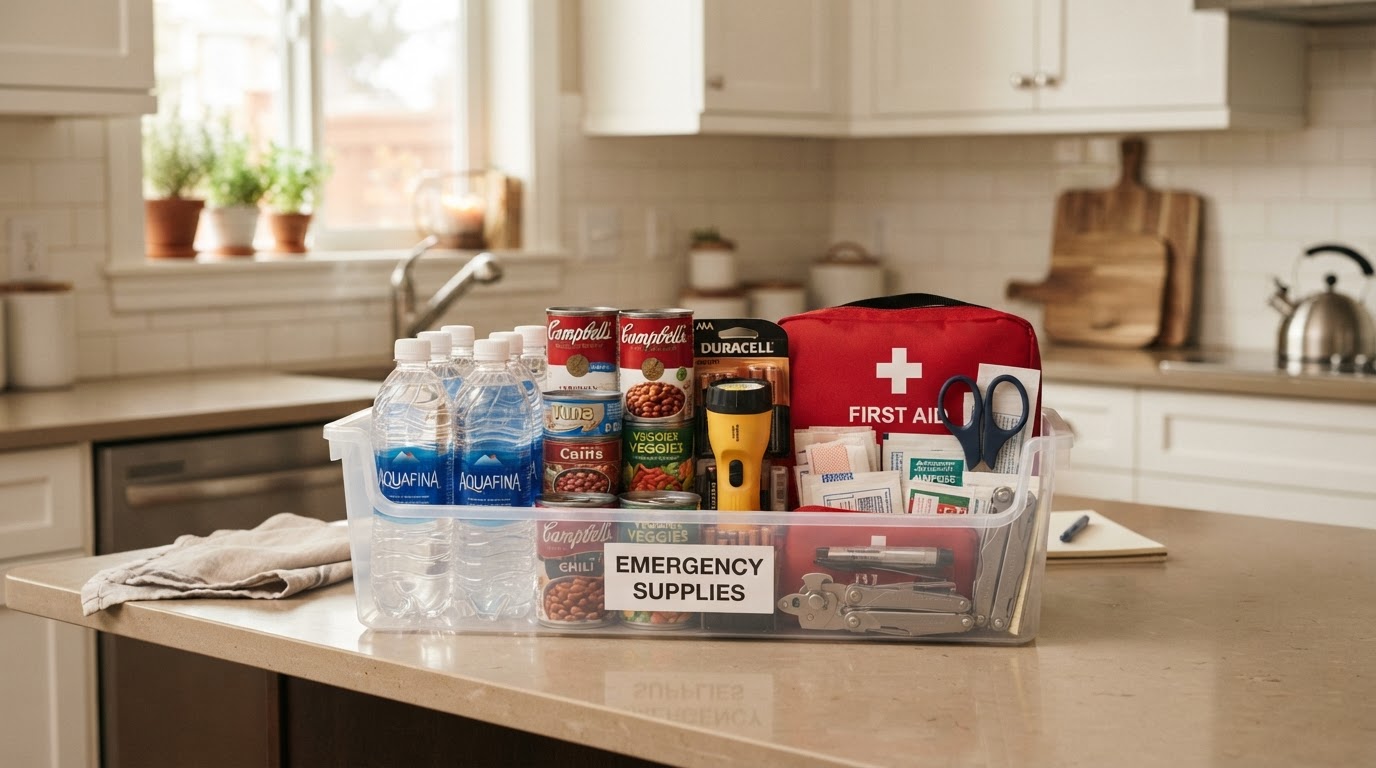
Your First 72-Hour Home Emergency Checklist
The minimum most households need for the first three days.
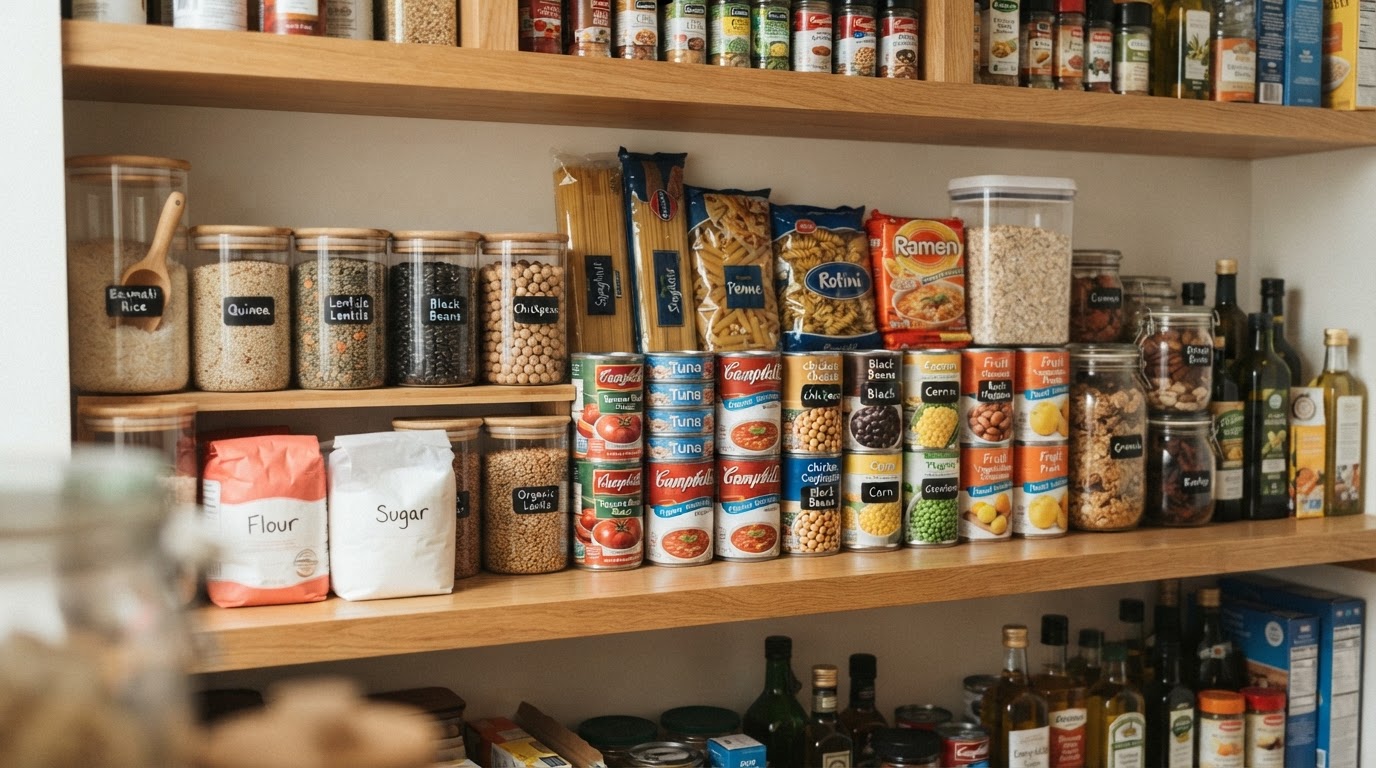
Building a Two-Week Household Backup Plan
Extending the 72-hour kit into a realistic two-week plan.
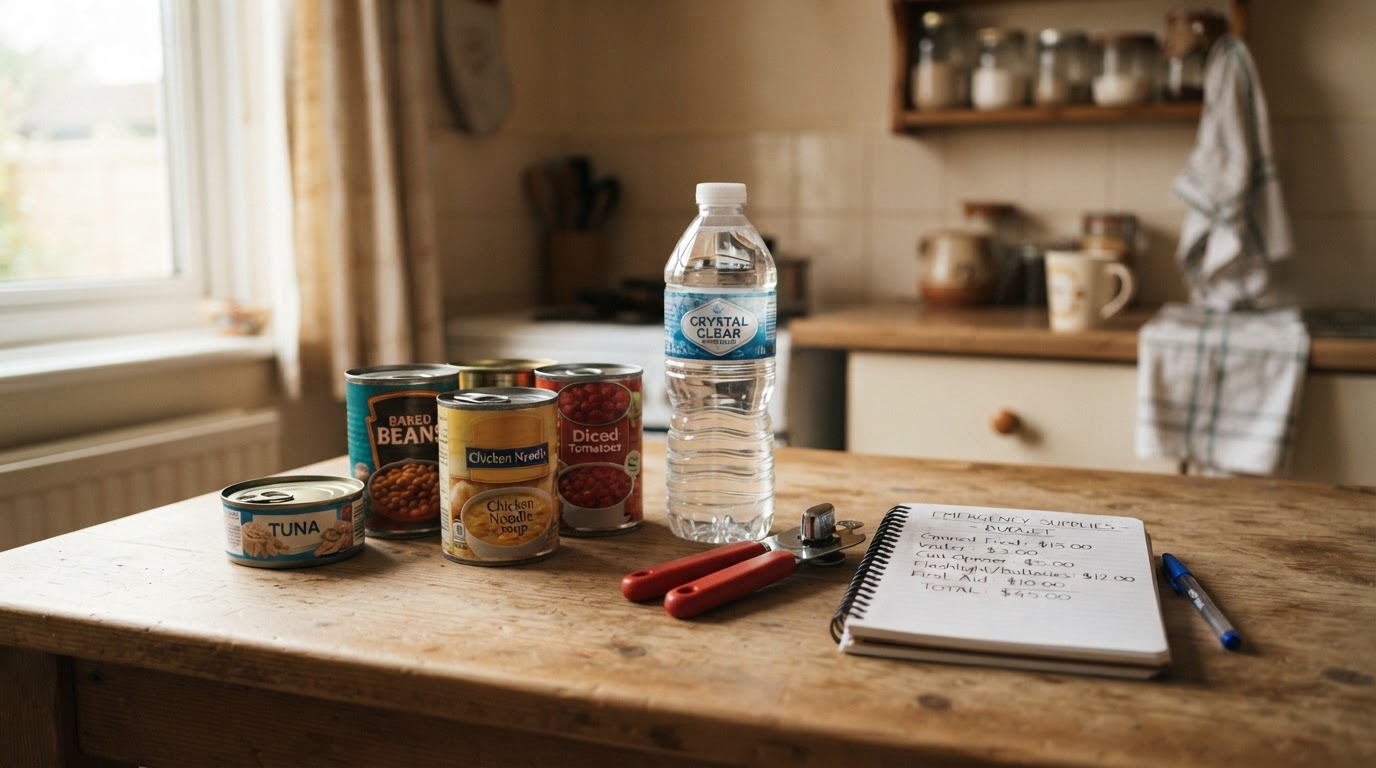
Prepping on a Tight Budget: What to Do First
The lowest-cost, highest-value steps before you spend anything.
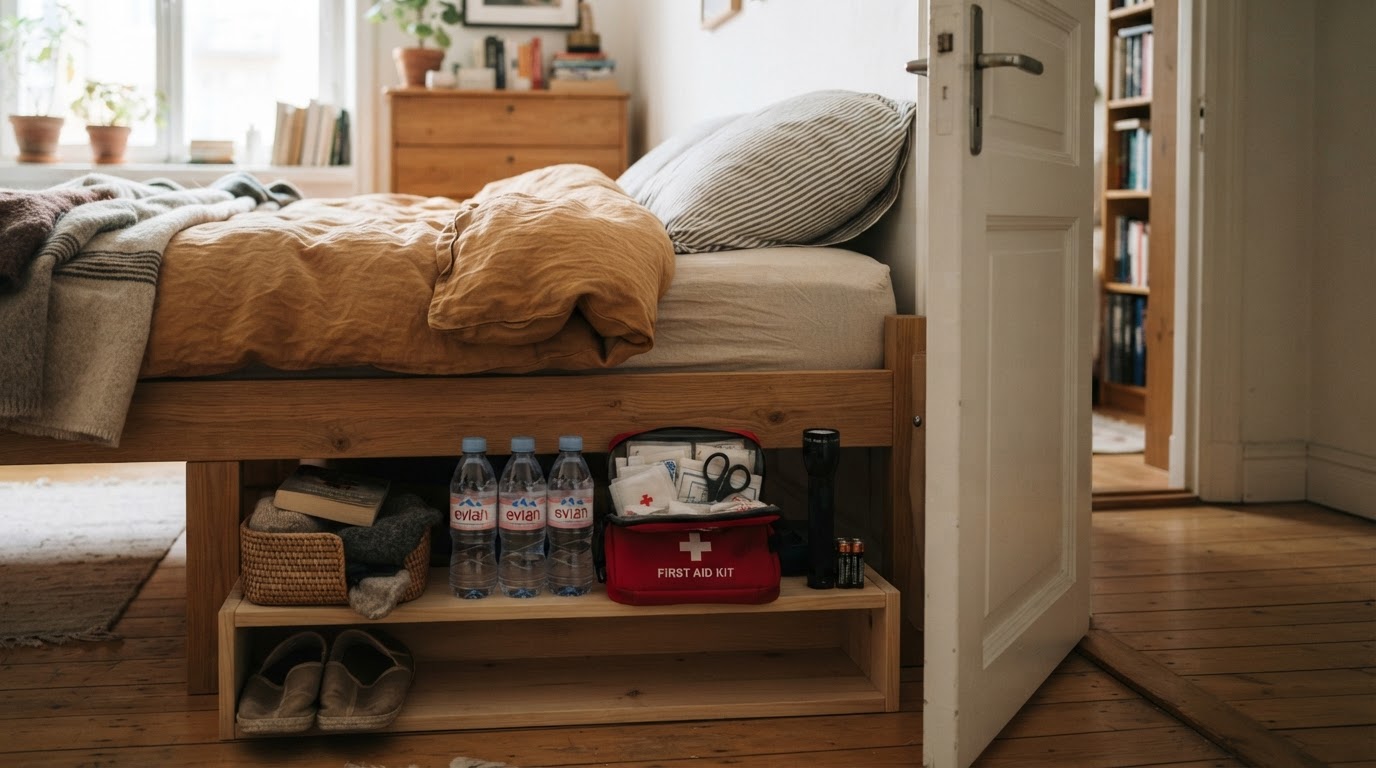
Apartment Preparedness Without a Spare Room
Realistic readiness for renters with limited storage.
Gear research
Honest gear comparisons
Research-based picks — not hands-on testing. We compare categories, name the tradeoffs, and tell you when a cheaper or already-owned option is enough.
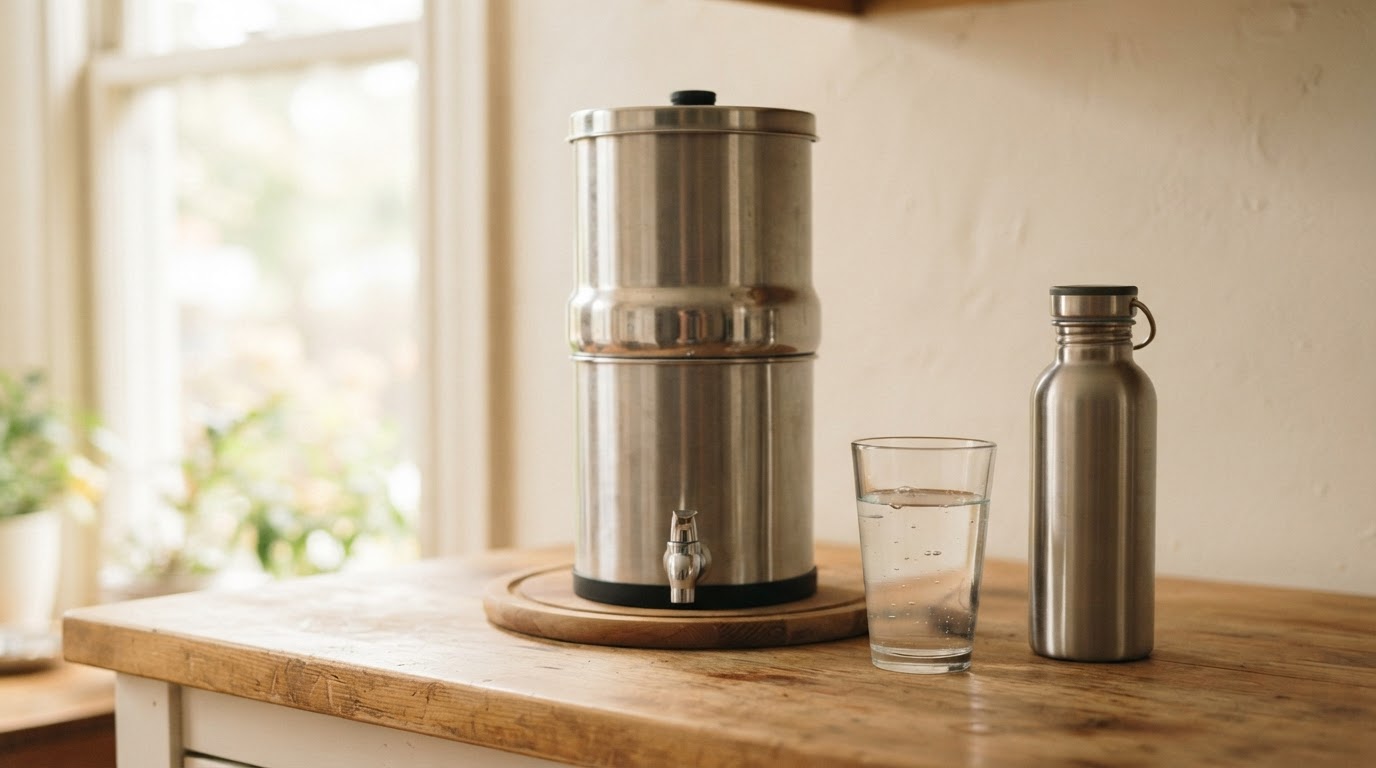
Water Filters and Purifiers: What to Buy for Your Situation
Research-based comparison — what each type does and where it falls short.
Compare →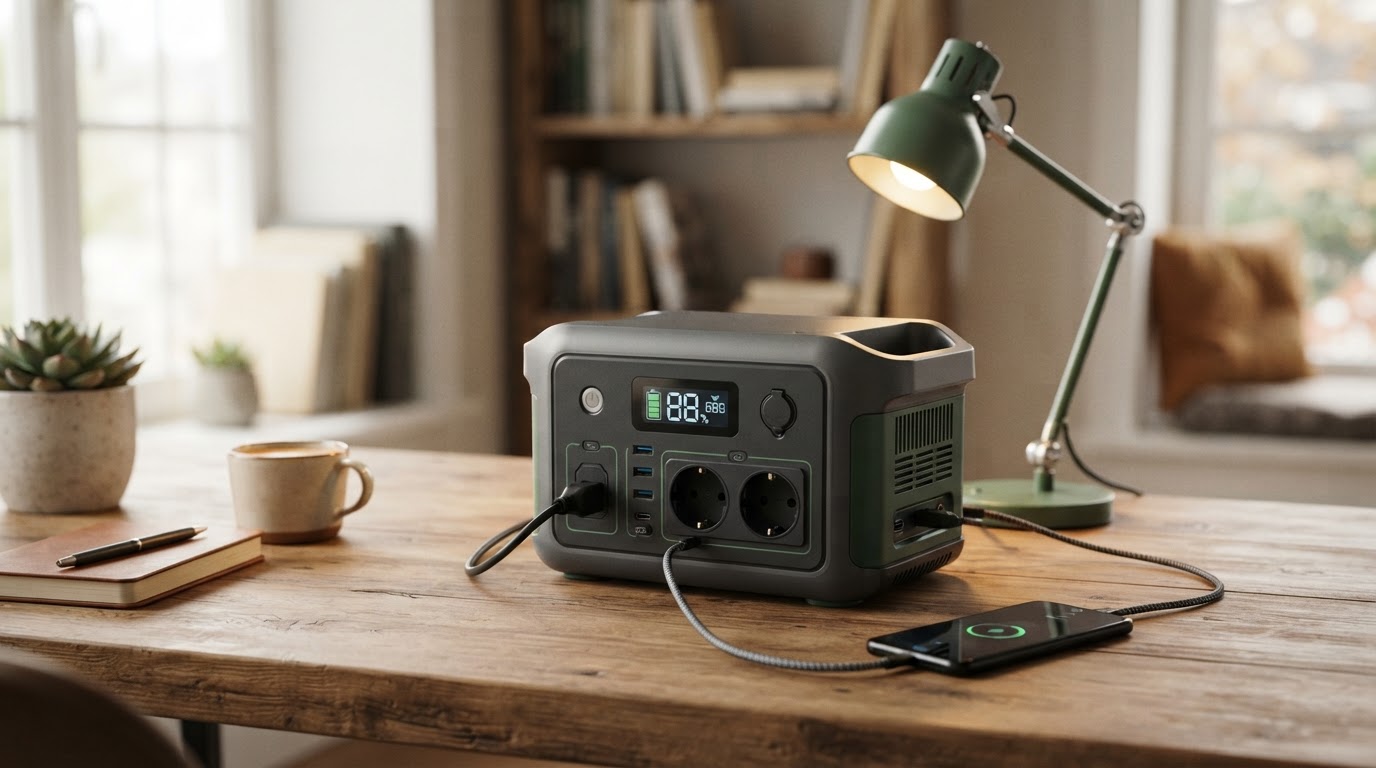
Portable Power Stations: A Buyer's Guide to Capacity and Output
Match watt-hours to what you actually need to run.
Compare →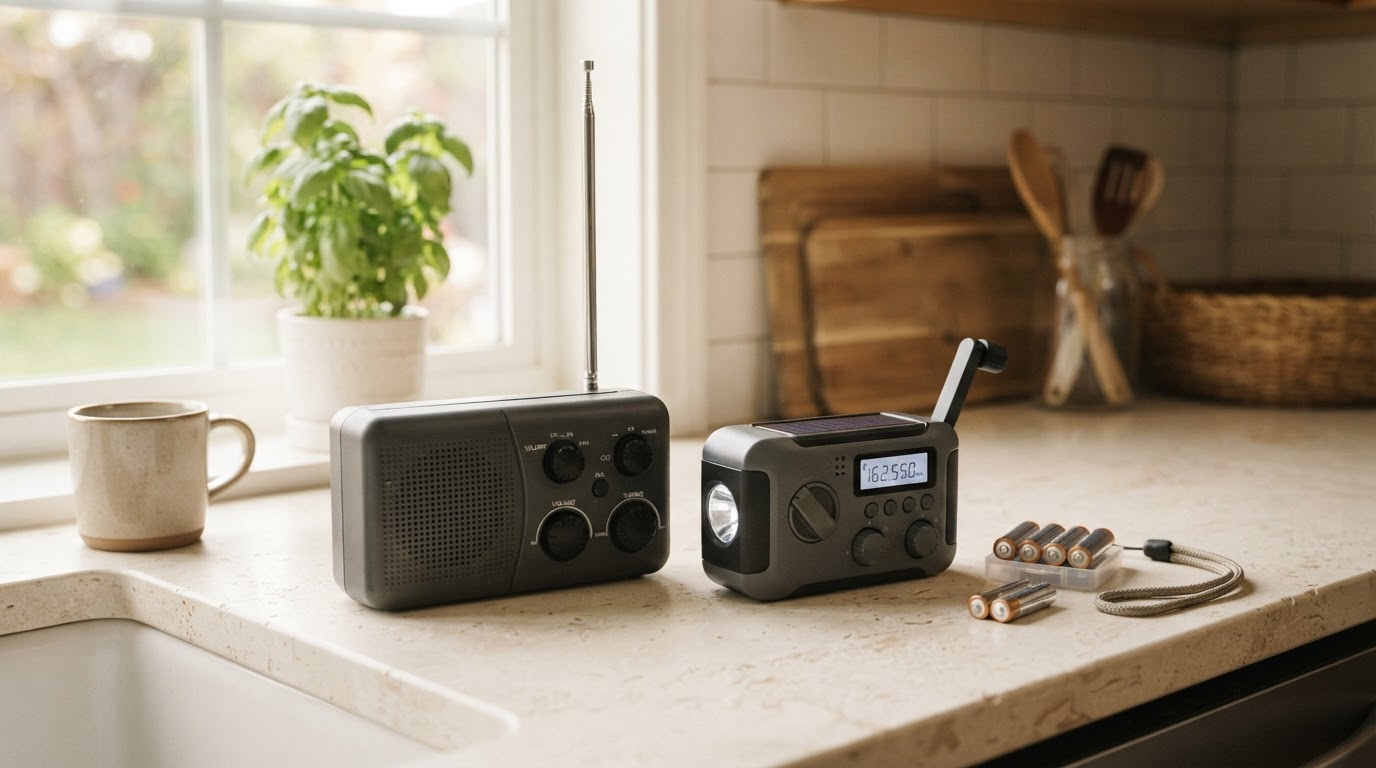
Choosing an Emergency Weather Radio
SAME alerting, hand-crank, and battery options compared.
Compare →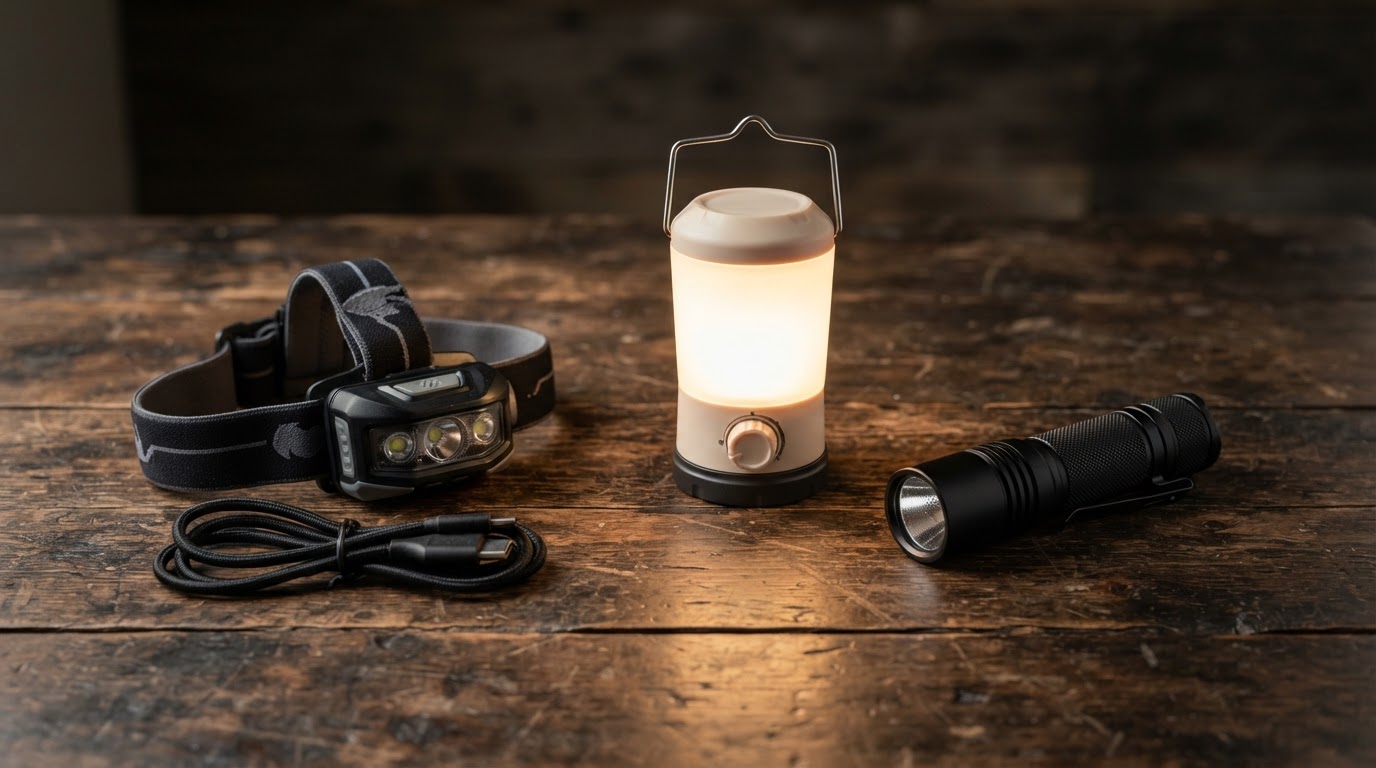
Emergency Lighting: Lanterns, Headlamps, and Flashlights Compared
Match the light to the job.
Compare →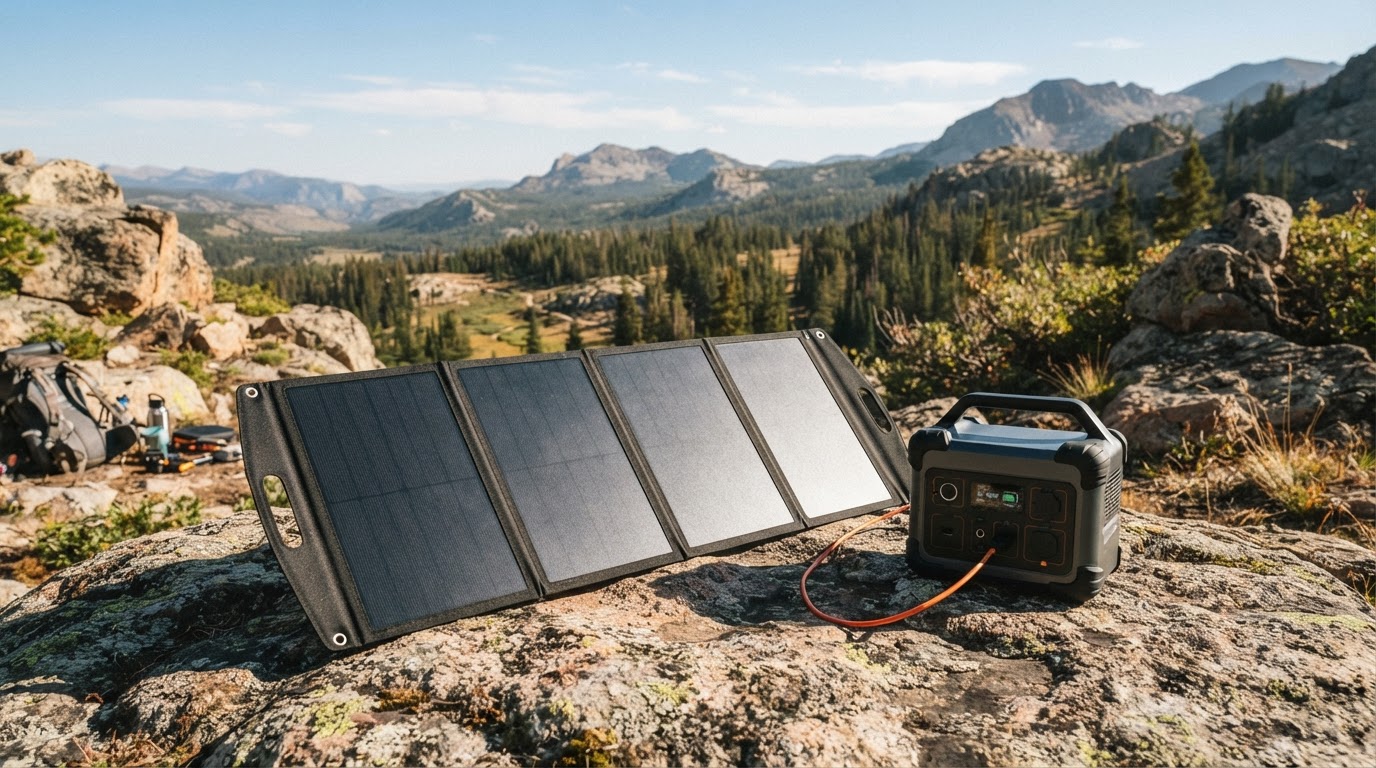
Portable Solar Panels: Realistic Expectations and Tradeoffs
Solar is a complement, not a free lunch — match panel watts to what you actually charge.
Compare →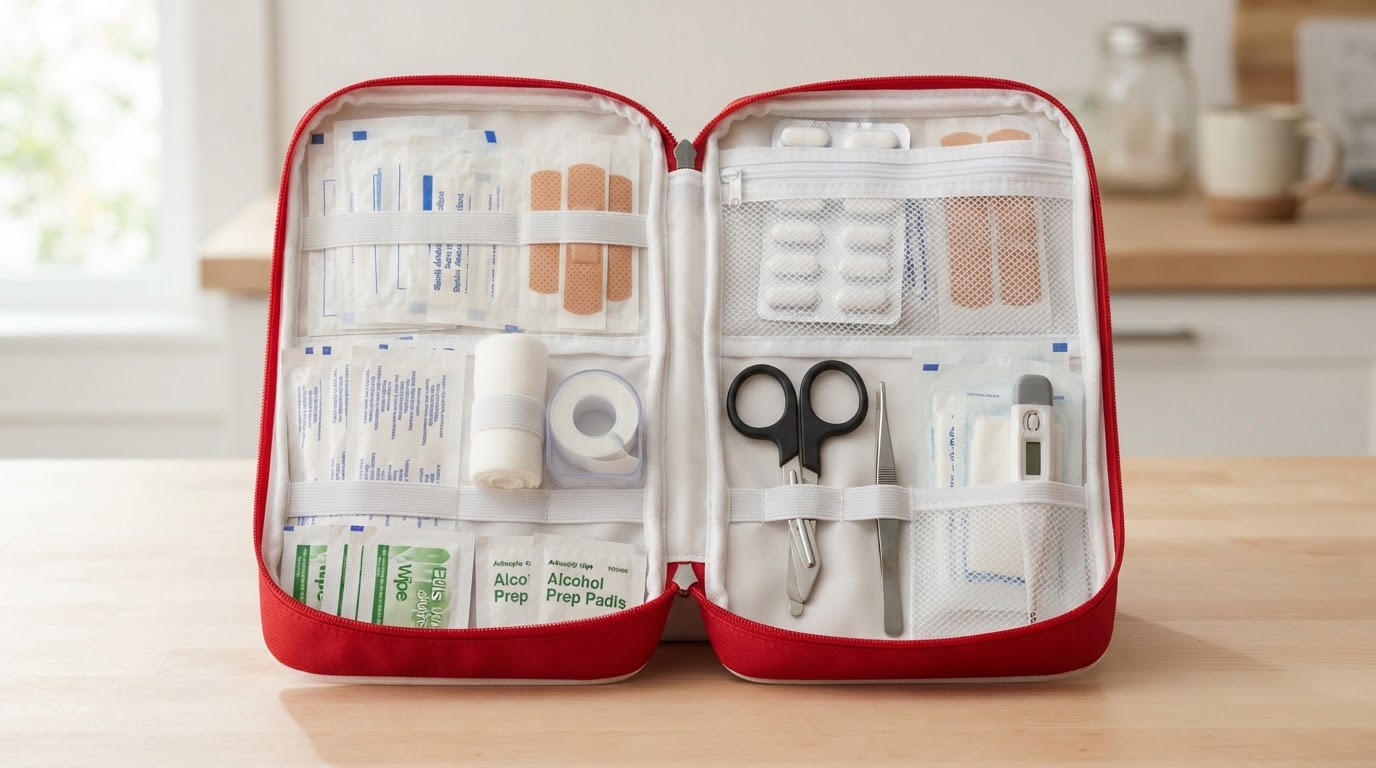
Home First-Aid Kits: How to Compare Contents and Gaps
A ready-made kit is a starting point, not a finished plan.
Compare →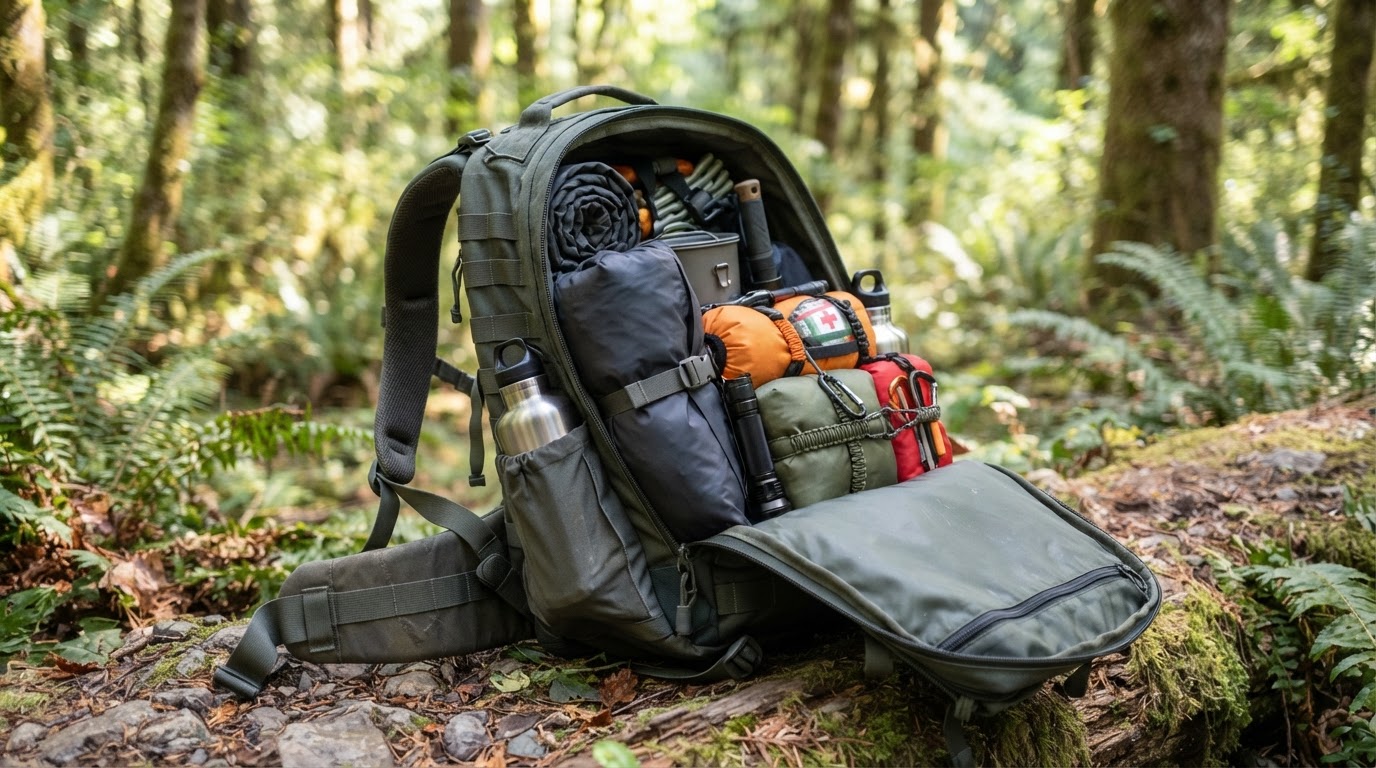
Emergency Bags & Backpacks: Choose a Pack You Can Carry
The best bug-out bag is one you can actually carry and organize.
Compare →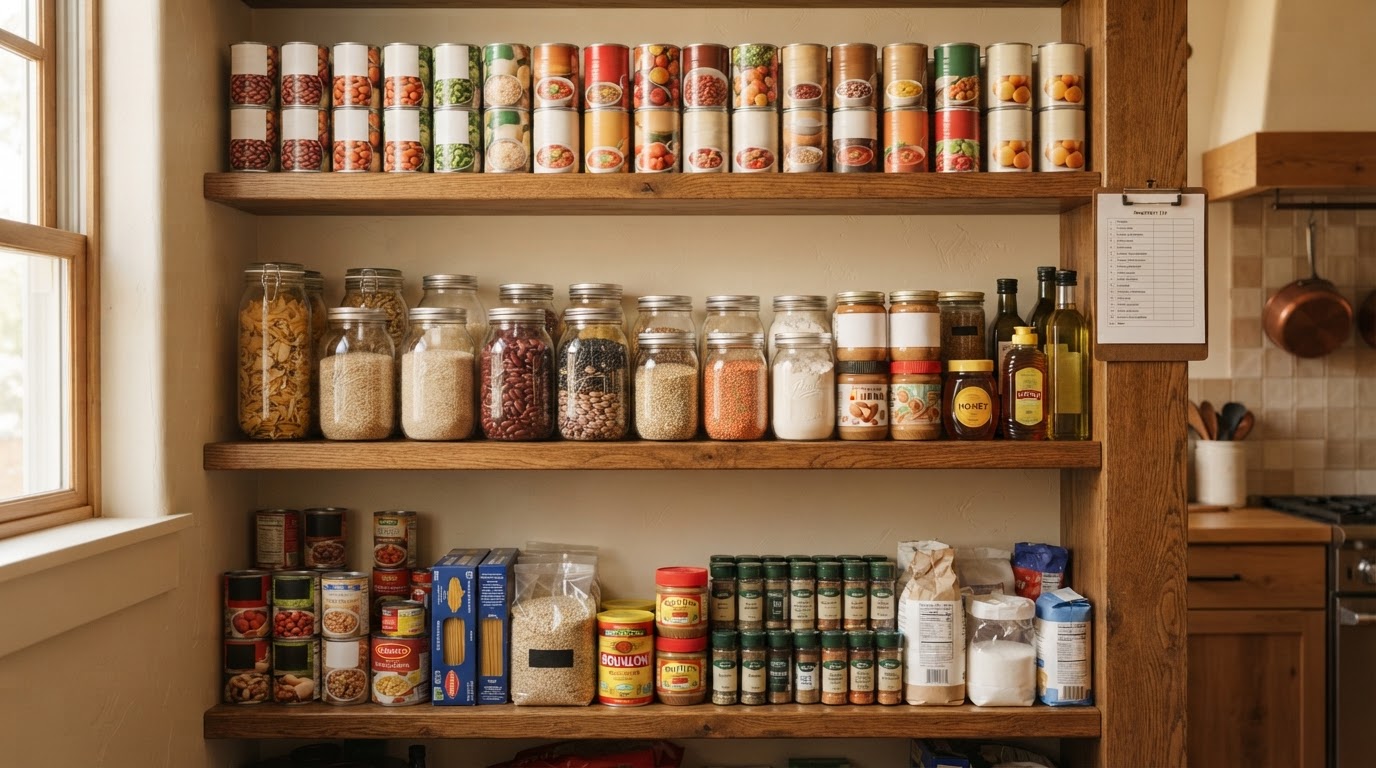
Shelf-Stable Food: Building a Pantry You'll Actually Eat
Stock what you eat, rotate what you store.
Compare →Prepper 101 — the definitive guide to prepping in the AI end of the world age
A practical starting point for household readiness, essential supplies, and staying informed when technology becomes unreliable.
Tip of the week
Know your shutoffs before you need themThe single highest-value prep is free: locate and label your water, gas, and electric shutoffs. In a leak or a gas smell, seconds matter — and fumbling for a valve costs them.
Keep your fridge and freezer closed during an outageA closed refrigerator keeps food safely cold for about 4 hours; a full freezer holds for roughly 48 hours (USDA). Every quick peek cuts that window, so decide what you need before you open the door.